High-voltage battery
Battery health testing, module repair, coolant leaks, contactors and low-voltage battery replacement.
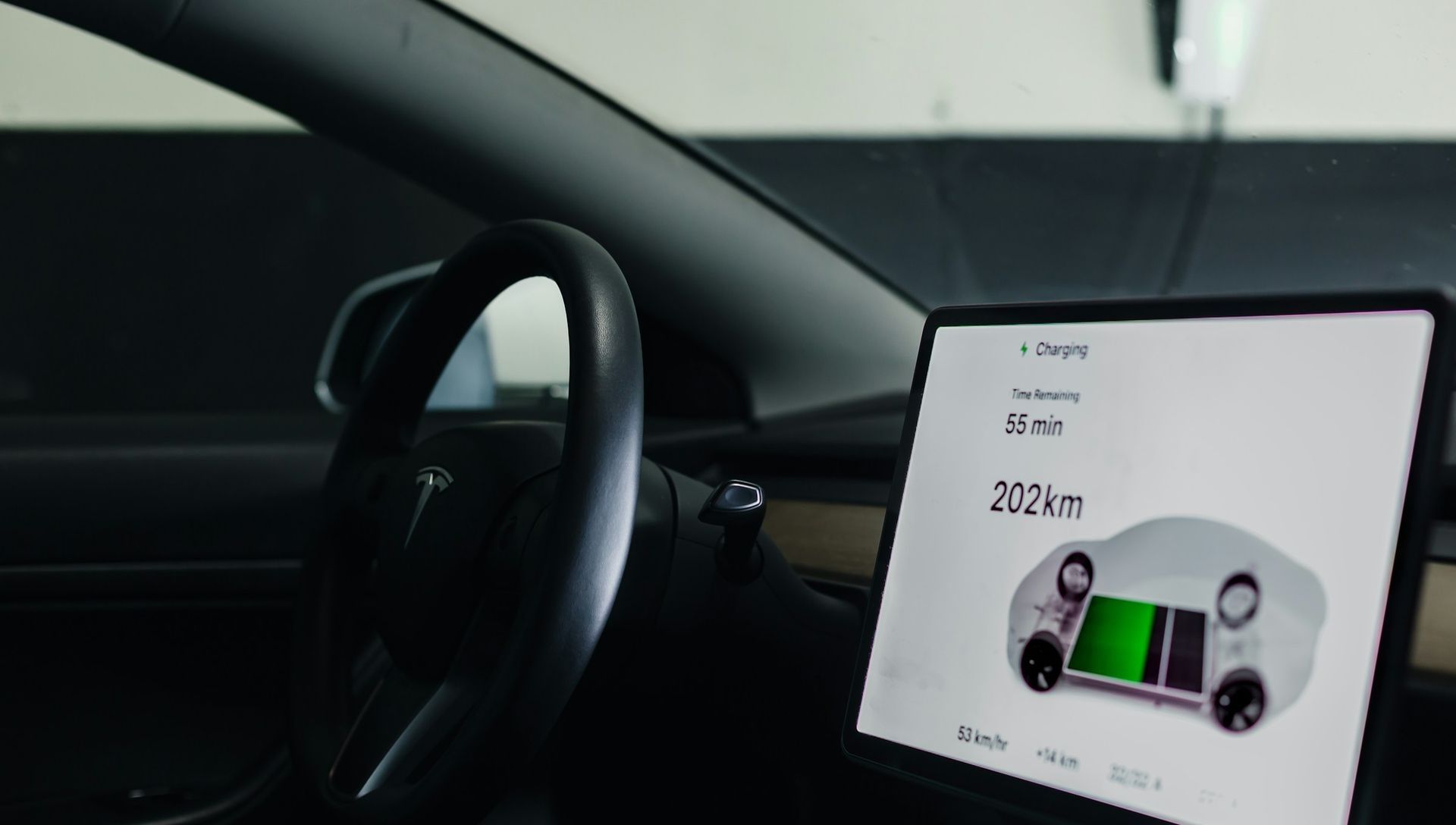
The battery is the most expensive part of a Tesla and often the most misunderstood. We test it properly before anyone talks about replacement — many faults come down to a single module, a contactor, a sensor or a coolant leak.
What’s included
- Capacity, cell balance and isolation testing
- Module-level repair and balancing
- Contactor, fuse and pyro-fuse replacement
- Coolant leak diagnosis and seal repair
- Battery removal, reseal and reinstallation
- 12V and 16V low-voltage battery replacement
When to come in
- “Maximum battery charge level reduced” alert
- Car refuses to charge or drive
- Isolation or contactor fault codes
- Sudden drop in range
Questions about this service
Can a Tesla battery be repaired instead of replaced?
Often, yes. If the fault is in one module, a contactor or a sensor, we repair that part. We only recommend replacement when testing shows the pack is worn out.
Is it safe to work on the high-voltage system?
Our technicians work with insulated tools, isolation procedures and protective equipment for every high-voltage job.
Related services
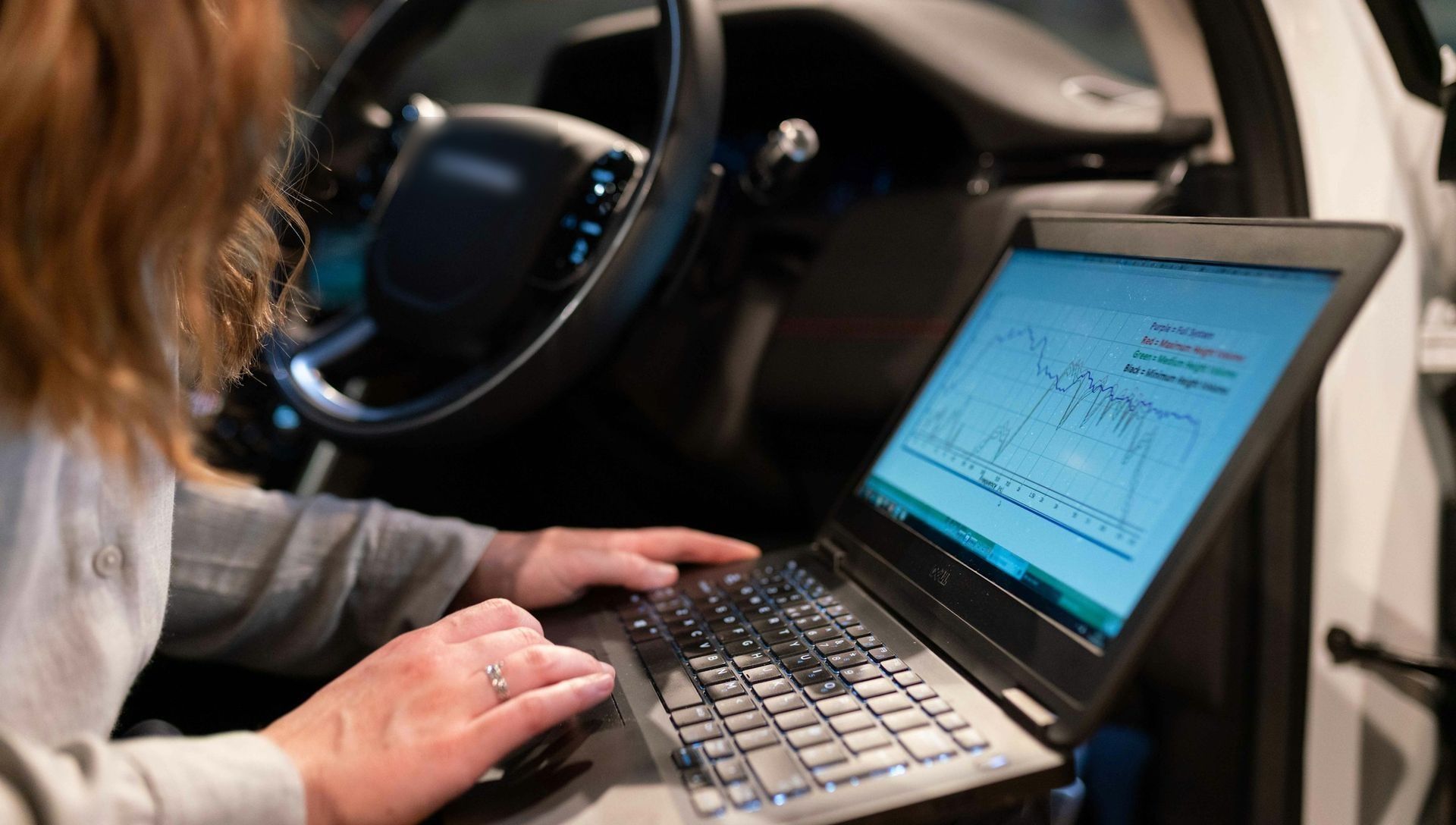
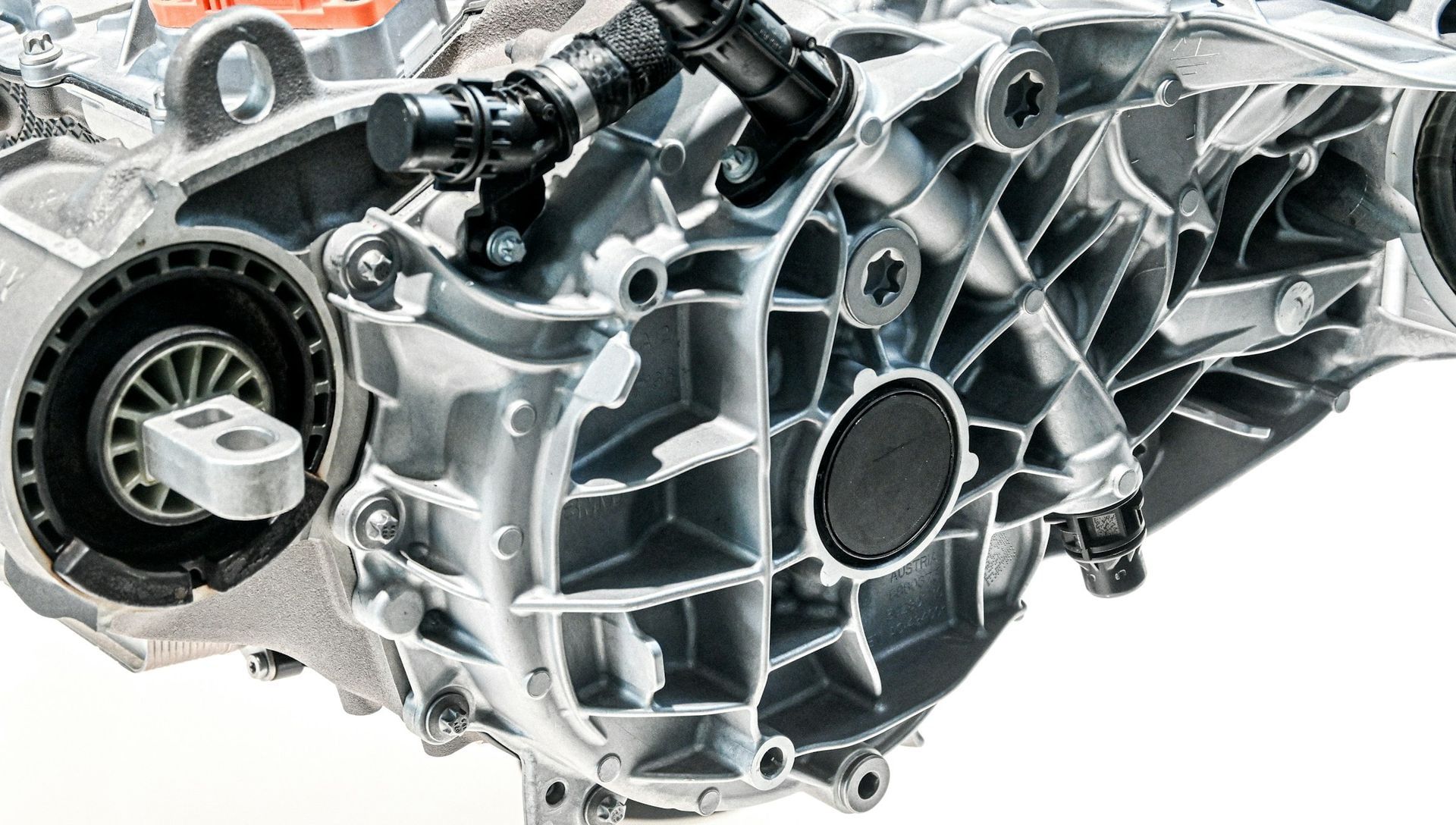
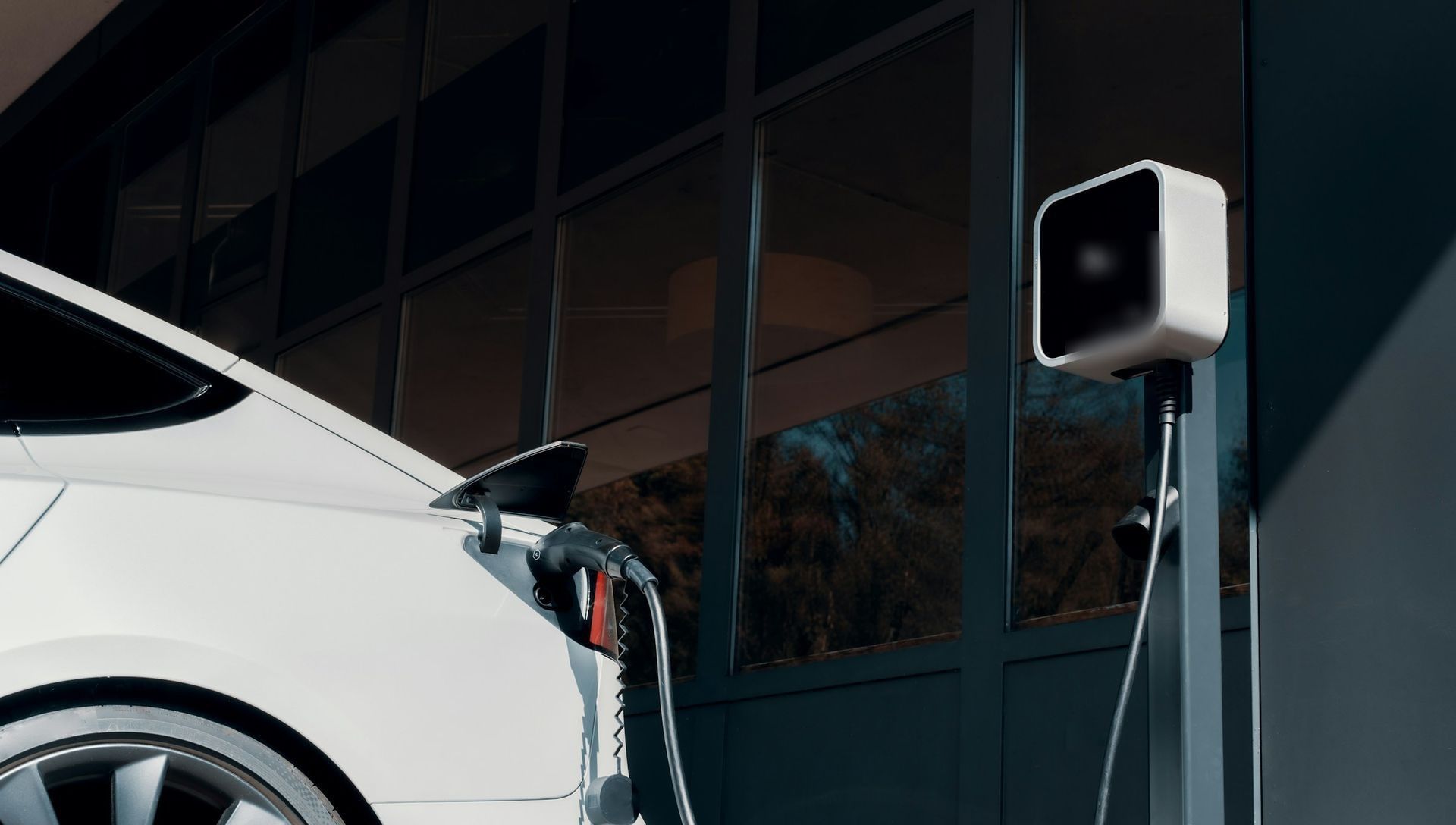
Something on the screen you don’t like?
Send us a photo of the alert or describe the noise. We’ll tell you what it likely is and how long it takes.